



Blog > All
Red Light Therapy For Warts
Written by Our Editorial Team
6 min read
Share this article:


00
DAYS D00
HOURS H00
MINUTES M00
SECONDS S
Living with warts can feel strangely disproportionate to what you see in the mirror. The bumps are small, yet they shape how you use your hands, how you walk, and how comfortable you feel in close spaces.
When freezing, acids, or home remedies leave skin sore without real progress, it makes sense to wonder whether red light therapy for warts could offer a more intelligent, less aggressive path. But before we talk about light, it helps to understand what warts really are and why they refuse to leave on your schedule.
What this article covers:
Warts are benign skin growths caused by infection with the human papillomavirus (HPV). The virus enters through tiny breaks in the skin, then settles into the upper layers and alters how keratinocytes grow and mature.
The result is a patch of skin that looks and behaves differently from the tissue around it, even though everything originates from your own cells.
People usually encounter a few main types:

These growths are frustrating because they do not behave like ordinary skin problems.
Topical creams that soften dry patches rarely budge a wart. Scratching or shaving may spread the virus along the skin instead of removing it. Even aggressive in-office treatments sometimes work slowly.
Several factors explain this persistence. HPV infects the basal layers of the epidermis, so the viral influence lives inside the skin's renewal zone rather than sitting on top.
The immune system does not always recognize HPV infected cells right away, which means the wart can grow quietly for months before your body reacts. Plantar warts add another layer, since thick, weight-bearing skin makes it harder for treatments to reach their target.
Emotionally, warts often show up at the worst possible time. A visible wart on the hand can make you hesitant to shake hands or reach for a glass in public.
A plantar wart can change how you walk, which sometimes leads to knee or hip discomfort. Genital warts can bring a mix of fear, shame, and confusion that has nothing to do with your worth and everything to do with how little we talk about them.
It is no surprise that many people begin looking for solutions that feel smarter, kinder, and more aligned with the rest of their health values.

Red light therapy, often called photobiomodulation, uses low-level red and near-infrared light to influence cellular behavior.
Instead of heating or burning the skin, these wavelengths interact with structures inside the cell, especially mitochondria, to help regulate energy production and oxidative stress.
In dermatology and wellness, photobiomodulation has been studied for several skin-focused benefits.
These include support for fine lines and wrinkles, improvement in certain types of mild to moderate acne, and better post-procedure recovery when used thoughtfully.
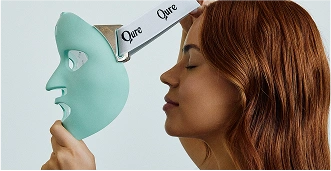
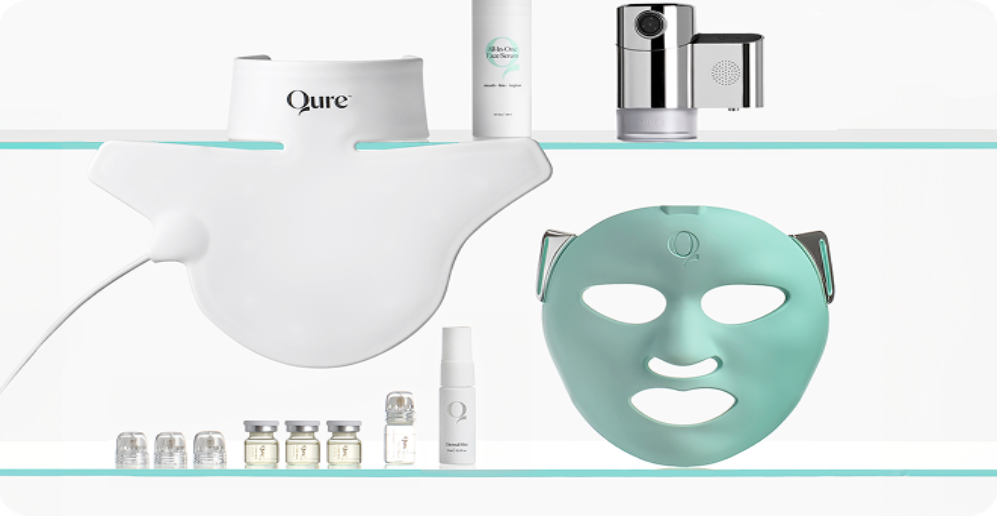
That is why you see red and near infrared light in many clinic-grade facials and why we created devices like our FDA-cleared red light mask for the face and our red light neck mask for the neck and décolletage.
When used within appropriate parameters, red light therapy can help:
These are non-destructive uses. The intent is to work with the skin's existing systems, not to destroy tissue. That distinction becomes crucial when we shift into wart care, because wart treatments usually rely on targeted destruction of virus-affected cells.

Much of the confusion around light and warts comes from mixing up two very different concepts: light-only photobiomodulation and photodynamic therapy. They both use red light, but in very different ways.
Photobiomodulation relies on light alone. During a PBM session, red and near infrared wavelengths reach the tissue and trigger signaling changes inside cells.
The goal is to support healthier function, balance oxidative stress, and tame inflammation without breaking or burning the skin. Devices like our red light mask and red light neck mask are built around this principle.
Photodynamic therapy combines a photosensitizing agent with a specific light source. In dermatology, a clinician applies a topical medication, allows it to absorb into the wart or lesion, and then activates it with red light.
This activation step generates reactive species that selectively damage the abnormal cells. In other words, PDT uses light as part of a targeted destructive therapy.
Why does this distinction matter so much? Because most encouraging wart-related data you will see in medical literature involves PDT, not light alone.
The success in those studies comes from the combination of photosensitizer and activation, not from consumer-level PBM protocols. Treating those results as evidence for at-home red light devices is tempting, but it stretches the science beyond what it currently supports.

From an evidence-based standpoint, red light therapy by itself is not a proven wart remover. There are no robust trials showing that light only, at consumer-appropriate intensities, reliably clears common, plantar, or flat warts the way established dermatology treatments can.
Red and near-infrared light can absolutely influence the environment around a wart. Photobiomodulation supports cellular energy, helps regulate some inflammatory signals, and may improve local circulation.
Those effects are meaningful for skin health, but they do not directly break down HPV infected keratinocytes or remove the viral genetic material that drives wart growth.
It can help to compare this with other complex topics, such as red light therapy for fibroids or red light therapy for macular degeneration.
In each case, light-based therapies are being explored for symptom modulation and tissue support, but they are not established as curative treatments.
The pattern is similar for warts. Photobiomodulation can be a supportive player in your overall routine, but it should not be considered a standalone cure or a replacement for therapies that specifically target the virus-altered skin.

If you are drawn to light-based care because you want something noninvasive, gentle, and aligned with the rest of your health choices, that is a valid instinct. The key is to give red light therapy the right role, so you can benefit from what it does well without expecting it to do a job it was not designed for.
A supportive way to use photobiomodulation in the context of wart care is to focus on the surrounding skin and the recovery phase.
For example, if you undergo cryotherapy, topical acids, or even PDT under a dermatologist's care, the area around the wart can feel irritated, dry, or compromised.
Integrating LED sessions with a device like our red light mask may help the non-wart skin recover more comfortably, as long as your clinician agrees with the plan.
You can also build a gentle skin care routine that respects both treatment and barrier. Many people find that pairing light sessions with soothing products, such as our hypochlorous acid spray and a barrier-focused anti aging serum, keeps the area calmer and less reactive.
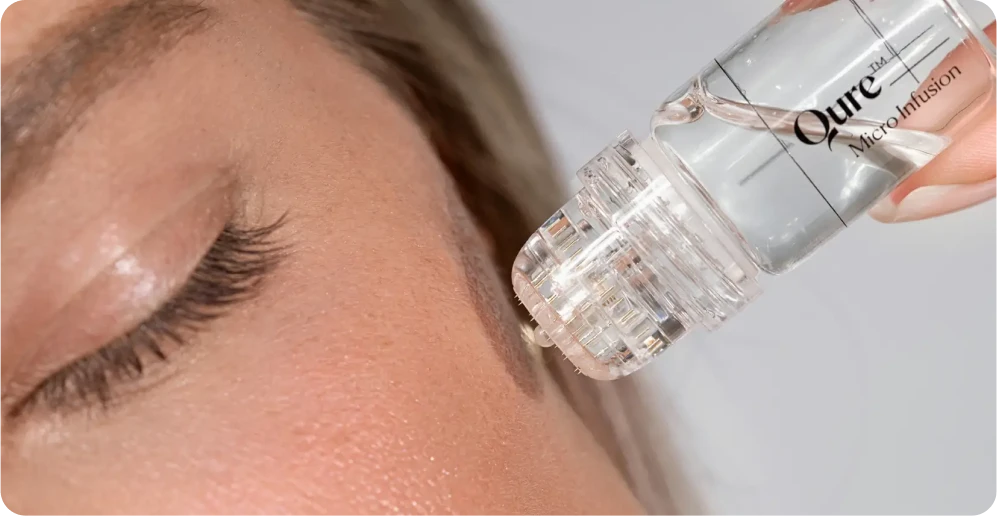
For texture-focused support in unaffected nearby areas, our micro infusion facial system and targeted micro dart patches can help deliver actives precisely where you want them without overwhelming sensitive skin.
What light alone will not do is eradicate the wart or cure the HPV infection. Thinking of photobiomodulation as part of a broader comfort and resilience strategy, rather than a substitute for established wart therapies, keeps your expectations aligned with current evidence.
Photobiomodulation with red or near infrared light supports skin health, recovery, and inflammation balance. Still, there is no strong evidence that light alone, at consumer levels, reliably clears HPV driven warts.
Photodynamic therapy, which combines a photosensitizing agent with controlled red light, is a different category. It has evidence behind it for some recalcitrant warts and sits firmly inside the dermatologist's treatment landscape.
If you are looking for a noninvasive or tissue-sparing option, a conversation with your clinician about PDT may make sense.
At home, light can still play a meaningful role, not by clearing warts, but by supporting the comfort and recovery of the surrounding skin.
Used alongside your dermatologist's plan, LED sessions with the Qure FDA-cleared red light mask or red light neck mask can help keep the area calmer and more resilient through cycles of irritation.
Read More About Targeted Skincare Topics:
Most Popular Posts

#All
December 16, 2025
6 min read
Red Light Therapy For Keloid Scars
Read More
#All
December 08, 2025
6 min read
Red Light Therapy For Macular Degeneration
Read More
#All
November 30, 2025
6 min read
Red Light Therapy For Warts
Read More
#All
November 25, 2025
6 min read
Red Light Therapy For Neck Wrinkles
Read More
#All
November 18, 2025
6 min read
Red Light Therapy For Double Chin
Read More
#All
November 12, 2025
6 min read
Red Light Therapy For Fibroids
Read More
#All
November 06, 2025
6 min read
Red Light Therapy for Dark Spots
Read More
#All
October 31, 2025
6 min read
Red Light Therapy for Fungal Infections
Read More
#All
October 24, 2025
6 min read
Red Light Therapy for Dark Circles
Read More
Free Worldwide Shipping
Enjoy free delivery when you spend $100 USD or more.
Free shipping on orders over $100 USD.

Easy 30-Day Returns
Easy 30-Day Returns
Changed your mind? Return it within 30 days for a refund.
Return your items within 30 days for a full refund.

Qure Rewards
Earn points every time you shop for exclusive gifts and discounts.
Earn points for exclusive perks with every purchase

24/7 Customer Support
Our team is ready to help you, anytime you need.
Have a question? Our team is here to help.
00
DAYS D00
HOURS H00
MINUTES M00
SECONDS S
Fill it with amazing skincare.
 Even my esthetician is hooked!


