



Blog > All
Red Light Therapy For Keloid Scars
Written by Our Editorial Team
6 min read
Share this article:


00
DAYS D00
HOURS H00
MINUTES M00
SECONDS SBlog > All
Written by Our Editorial Team
6 min read
Share this article:

Keloid scars can be frustrating because they do not behave like typical scars. They often grow beyond the original wound, remain raised for years, and bring symptoms that go well beyond appearance.
For many people, the discomfort, itching, tightness, or sensitivity matters just as much as how the scar looks. Red light therapy for keloid scars has gained attention as a potential way to support comfort and gradual scar improvement without invasive procedures.
While photobiomodulation is not a cure for keloids, emerging research suggests it may play a supportive role when used thoughtfully and consistently, especially alongside dermatologist-guided care.
What this article covers:
Keloid scars form when the body produces excess collagen during wound healing, and the scar grows beyond the original injury. That detail matters because it is the clearest difference between keloids and hypertrophic scars.
Hypertrophic scars stay within the wound's borders and may flatten over time. Keloids can keep expanding outward and can remain raised, firm, and persistent for years.
Keloids also have a pattern. They often appear on higher-tension areas like the chest, shoulders, upper back, jawline, and earlobes (especially after piercings).
Genetics plays a role, and keloids are more common in people with darker skin tones, though anyone can develop them. For many, the hardest part is that keloids are not only a cosmetic concern.
They can come with symptoms that affect daily comfort, including:
This combination of visibility and sensation is why people often seek supportive options that calm the skin while encouraging healthier remodeling.

Red light therapy, also called photobiomodulation (PBM), uses low-level red and near-infrared light to influence cellular signaling without heat-based injury. Instead of damaging tissue to force renewal, red light therapy supports the skin's own repair pathways.
In skin, red light therapy is generally discussed in terms of three linked effects:
This is why red light therapy shows up in dermatology conversations about recovery and texture, and why many people consider it as a supportive tool alongside scar-focused care.
Small clinical studies and recent reviews suggest photobiomodulation may improve aspects of keloid scars, such as height, pliability, texture, and symptom discomfort, especially itching and tenderness.
In many cases, red light therapy is studied alongside other therapies rather than as a standalone intervention. That is consistent with how keloids are typically managed in real dermatology care, where combination plans are common.
What we know right now:
What we do not know yet:
So yes, there is legitimate scientific interest here. It is a supportive technology that may help the scar behave more comfortably and look more refined over time, especially when paired with dermatologist-guided treatment.

Keloids are driven by an overactive wound-healing response. Red light therapy does not erase the biology, but it may support a healthier direction in the tissue environment.
Here are the pathways most often discussed in the scar literature, using careful, evidence-aligned language:
Fibroblasts are the cells that produce collagen. In keloids, fibroblast signaling can remain activated, which contributes to ongoing thickening.
Red light therapy may help modulate fibroblast behavior and the signaling environment associated with excess collagen production. Over time, that can support a scar that feels less rigid and looks less aggressive.
Many people underestimate how inflammatory keloids can feel. Red light therapy may help calm inflammatory pathways, which can translate to less itching, less redness, and fewer “flare days” where the scar feels irritated for no clear reason.
Collagen remodeling is slow, and keloids are stubborn. Still, red light therapy may support more organized collagen behavior over time, which can influence how smooth, pliable, and even-toned the scar appears.
This is where consistency matters. Scar change is rarely dramatic week to week. It is something you measure over months with steady input.

Keloids are not a simple problem, so the goal is not perfect promises. The goal is realistic progress.
What red light therapy can support:
What red light therapy cannot reliably do on its own:
If a scar is thick, long-standing, or repeatedly reactivates, a dermatologist may recommend options such as steroid injections, silicone therapy, pressure therapy (for ear keloids), laser approaches, or other combination plans. Red light therapy can fit as supportive care within that plan.
At-home red light therapy works best when it is simple, consistent, and gentle. A device that allows close placement over the scar helps maintain a steady session without constantly adjusting distance or angle.
Common at-home formats include handheld devices, small panels, and flexible wearable designs. The most important rule is to follow the guidance built into your device and avoid overuse.
A practical routine can look like this, especially if you want structure without overwhelming your skin:
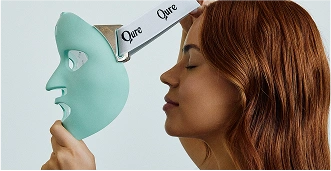
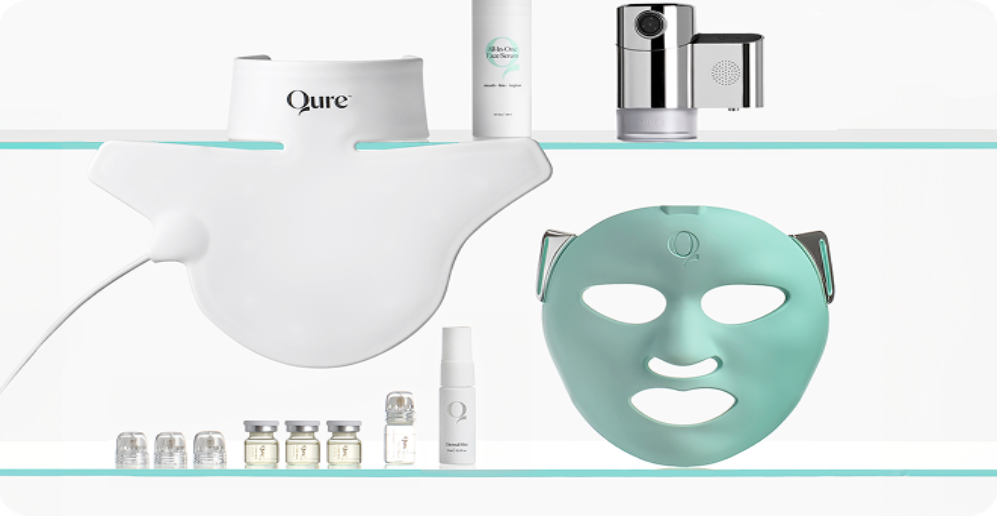
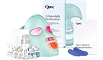
If your keloid sits on the chest, neck, or upper body, some people prefer a wearable approach for consistency. Our FDA-cleared red light mask and red light neck mask make consistent use easier, which is one of the biggest predictors of visible change.
For keloid scars on the upper chest or neck, it can be practical to incorporate light sessions into an existing facial or neck routine, especially if you already use red light therapy for neck wrinkles and want consistent coverage.

Keloid improvement is subtle, so track it like a clinician would:
This keeps you anchored in measurable changes instead of day-to-day frustration.
Red light therapy for keloid scars is a promising supportive option for comfort and gradual remodeling, especially when paired with dermatologist-guided care.
Red light therapy is not a guaranteed flattening treatment, but it may help your keloid feel softer, look calmer, and cause fewer symptom flare-ups over time.
At Qure, we design clinical-quality red light therapy for people who want care without the burden of repeated in-clinic treatments.
Our FDA-cleared red light mask and red light neck mask are built to deliver consistent photobiomodulation in a way that respects sensitive, reactive skin, making them well-suited for comfort-focused keloid support as part of a broader dermatologist-guided plan.
Read more about targeted skincare topics:
Most Popular Posts
#All
December 16, 2025
6 min read
Red Light Therapy For Keloid Scars
Read More
#All
December 08, 2025
6 min read
Red Light Therapy For Macular Degeneration
Read More
#All
November 30, 2025
6 min read
Red Light Therapy For Warts
Read More
#All
November 25, 2025
6 min read
Red Light Therapy For Neck Wrinkles
Read More
#All
November 18, 2025
6 min read
Red Light Therapy For Double Chin
Read More
#All
November 12, 2025
6 min read
Red Light Therapy For Fibroids
Read More
#All
November 06, 2025
6 min read
Red Light Therapy for Dark Spots
Read More
#All
October 31, 2025
6 min read
Red Light Therapy for Fungal Infections
Read More
#All
October 24, 2025
6 min read
Red Light Therapy for Dark Circles
Read More
Free Worldwide Shipping
Enjoy free delivery when you spend $100 USD or more.
Free shipping on orders over $100 USD.

Easy 30-Day Returns
Easy 30-Day Returns
Changed your mind? Return it within 30 days for a refund.
Return your items within 30 days for a full refund.

Qure Rewards
Earn points every time you shop for exclusive gifts and discounts.
Earn points for exclusive perks with every purchase

24/7 Customer Support
Our team is ready to help you, anytime you need.
Have a question? Our team is here to help.
00
DAYS D00
HOURS H00
MINUTES M00
SECONDS S
Fill it with amazing skincare.
 Even my esthetician is hooked!


